
- Home /
- AI & Automation /
- The Evolution of Software Engineering
AI & Automation
The Evolution of Software Engineering
Why the HMRC-SAP Partnership Signals Transformation, Not Extinction
The narrative that AI will replace software engineers misses a crucial reality unfolding right now. When HMRC (UK’s tax, payments and customs authority) recently partnered with SAP to completely rebuild their core revenue systems, they didn’t just buy new software but they signaled a fundamental shift in what software engineering means in the AI era.
This isn’t about jobs disappearing. It’s about the profession transforming into something more strategic, more architectural, and ultimately more valuable.
HMRC's Blueprint: The Coming Wave of Complete System Overhauls
HMRC’s decision to tear down and rebuild their entire technical foundation rather than patch existing systems with AI tools reveals what’s coming for organizations everywhere.
Why are complete overhauls becoming inevitable?
Legacy systems were built for a pre-AI world. They can’t provide unified, accessible data that modern AI requires. Companies are discovering that you can’t bolt machine learning onto fragmented, decades-old infrastructure and expect transformation. Even modern microservices become “legacy” if their siloed databases and rigid APIs prevent the fluid, real-time data access that AI agents demand.
What HMRC is doing today, countless enterprises will do tomorrow. Banks, healthcare systems, manufacturing giants, government agencies all are realizing that incremental updates won’t cut it. They need engineers who can architect entirely new foundations.
What does this mean for software engineers?
The demand isn’t shrinking; it’s intensifying but changing form. Organizations need engineers who can:
- Design cloud-native architectures from the ground up.
- Build systems that make data truly accessible across an organization.
- Create infrastructures that can evolve alongside AI capabilities.
- Bridge the gap between legacy operations and modern platforms.
This is higher-level work. More strategic. More impactful. The engineers who understand this shift won’t just survive, they will become indispensable.
Riding the Tide: The Skills Pivot That Separates Thriving from Surviving
Yes, the workforce will change dramatically. Some roles will contract while others explode. This has happened before when manufacturing automated, when personal computing emerged, when the internet arrived. Each time, those who observed the patterns understood the trajectory, and pivoted early came out ahead.
The new software engineering landscape demands:
- Systems thinking over code writing: AI can generate code increasingly well. What it can’t do is understand how technology should serve business strategy. Engineers who develop this architectural perspective become orchestrators rather than implementers.
- The Liability of Code: In the AI era, code is a liability, not an asset. The more code you have, the more surface area there is for bugs. The value now lies in minimizing code through superior system design.
- Infrastructure expertise over application development: As HMRC’s approach demonstrates, the bottleneck isn’t building apps it’s creating the underlying infrastructure that makes modern systems possible. Cloud architecture, data engineering, system integration: these are the skills defining the next generation of engineering work.
- Partnership understanding over technical isolation: The days of engineers working in silos are ending. Modern infrastructure projects require understanding business needs, collaborating across departments, and translating between technical and non-technical stakeholders. Engineers who can bridge these worlds become invaluable.
- Continuous learning as a baseline expectation: The pace of change is accelerating. The engineers who thrive are those who view learning not as occasional upskilling but as fundamental to their professional identity. If you can’t spot when an AI-generated microservice is inefficient or insecure, you aren’t an orchestrator, you’re a risk.
The workforce volume question:
Will there be fewer total engineering jobs? Possibly. But this misses the point. There will be fewer jobs for engineers who resist evolution and continue doing what they’ve always done. There will be abundant opportunities for engineers who recognize that their value now comes from strategic thinking, architectural vision, and the ability to build the foundations that make AI useful.
The Reality: Software Engineering Isn’t Dying, It’s Maturing
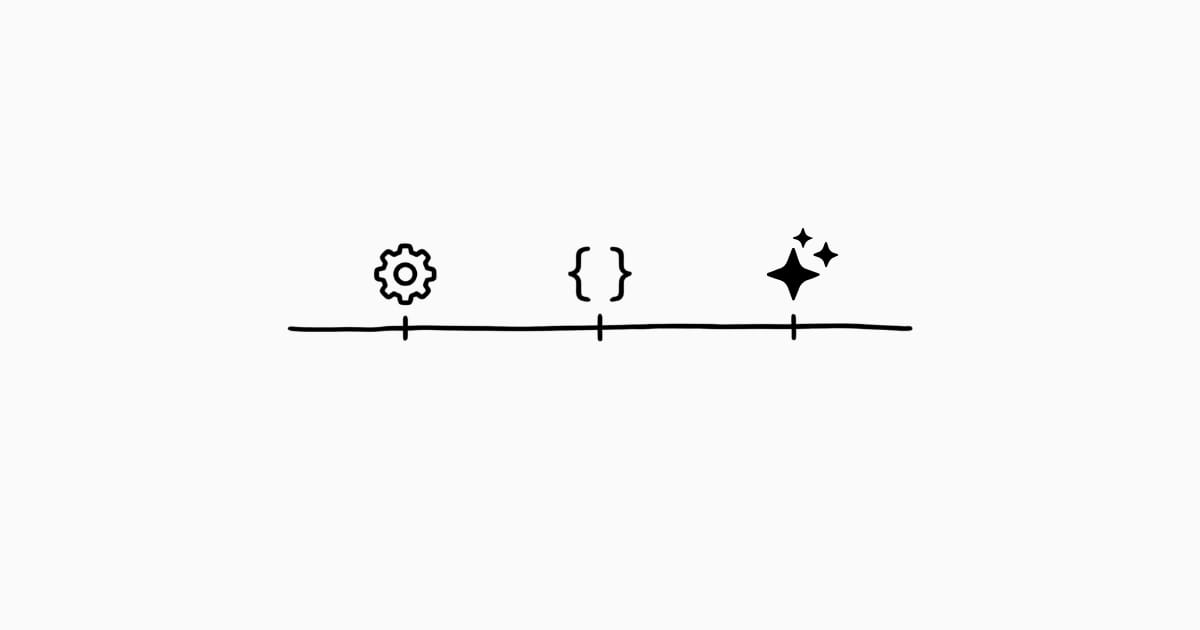
The HMRC-SAP partnership isn’t a cautionary tale. It’s a roadmap. Software engineering is moving from a craft focused on writing code to a discipline focused on designing systems. From building applications to architecting ecosystems. From implementing requirements to defining what’s possible. This is the natural evolution of any maturing field. The work becomes more sophisticated, more strategic, more impactful and yes, it requires more from those who practice it.
The engineers who will thrive understand three things:
First, AI isn’t replacing their job, it’s eliminating the routine aspects and elevating what remains. The work that’s left is the work that matters most.
Second, that infrastructure is the new frontier. As organizations realize they can’t achieve AI transformation without modern foundations, engineers who can build those foundations become essential.
Third, that adaptability isn’t optional. The profession is evolving rapidly. Staying relevant means embracing continuous transformation as a permanent state.
The tide is here. You can resist it and struggle, or you can observe its patterns, understand its direction, and ride it to new heights.
The infrastructure of innovation is being rebuilt. The engineers who understand this and position themselves accordingly won’t just survive the transformation. They’ll define it.
About the Author

Joel Mac
Founder & CEO
Joel brings a seasoned perspective to the MetaChase mission, blending deep industry insight with a relentless drive for excellence. With a focus on architectural integrity in recruitment, he bridges the gap between high-level corporate strategy and the human element. For Joel, the "Gold Standard" isn't a goal, it's the baseline for every partnership he builds.